
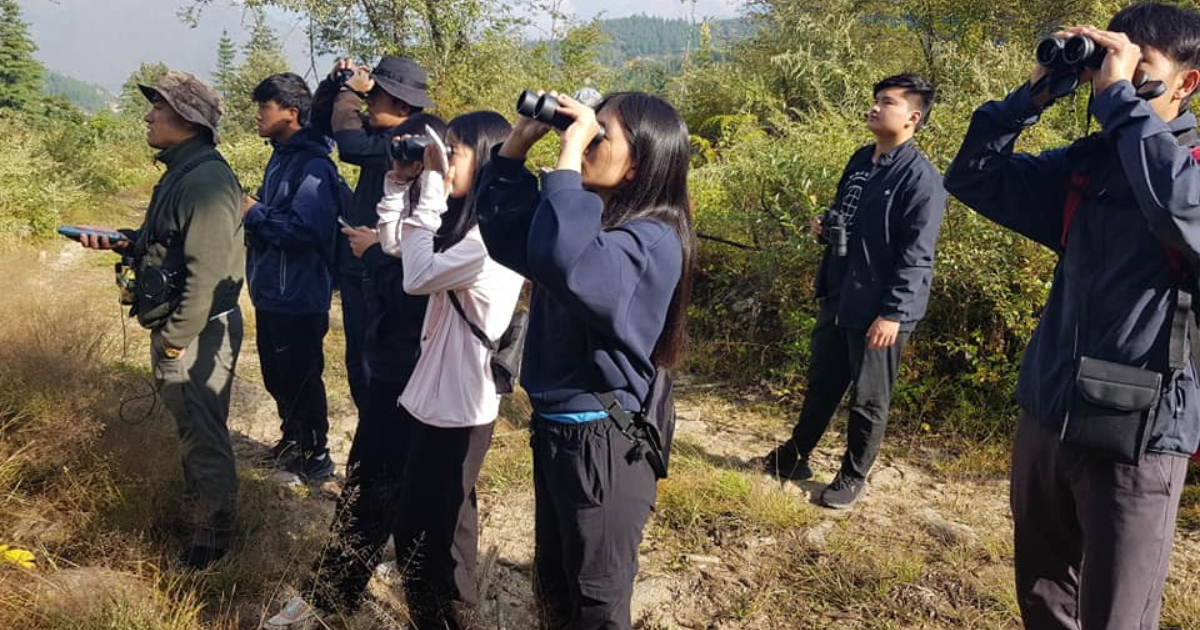

In the peaceful Himalayan kingdom of Bhutan, birdwatching is more than a hobby, it is part of a deeper connection between people, nature, and spirituality. With over 700 recorded bird species and strong environmental protection policies, Bhutan has become one of Asia’s most respected birding destinations. At Trogon Travels, we are proud to be part of this growing birding culture, guiding both national and international guests through unforgettable Himalayan experiences.
A Nation That Protects Nature
Bhutan is globally known for its strong commitment to conservation. The Constitution mandates that at least 60% of the country must remain under forest cover, a promise that Bhutan continues to uphold. The country has 10 officially designated protected areas, including 5 national parks, 4 wildlife sanctuaries, and 1 strict nature reserve. In addition, there is one botanical park and eight connected biological corridors. Together, these protected areas cover approximately 51.44% of Bhutan’s total land area and are dedicated to conservation and biodiversity, providing safe habitats for rare and endangered bird species.
Because of this strong conservation ethic, birdwatchers can explore pristine forests, river valleys, and alpine mountains with confidence, knowing that wildlife continues to thrive there.
Buddhism and Respect for Birds
Bhutan’s dominant religion, Vajrayana Buddhism, teaches compassion for all living beings. This philosophy has shaped a culture where wildlife is respected and protected.
Birds are often seen as spiritual symbols. For example:
- The Raven is the national bird and represents the protective deity Mahakala.
- Cranes are considered sacred and are welcomed each winter in the beautiful valley of Phobjikha.
Every year, local communities celebrate the arrival of the endangered Black-necked Crane with a special festival, blending conservation with culture.
This unique spiritual respect makes Bhutan a peaceful and ethical birding destination.
Growing Community of Bhutanese Birders
In recent years, birdwatching has become increasingly popular among Bhutanese youth, students, and nature enthusiasts. Organizations like the Royal Society for Protection of Nature actively promote bird conservation, environmental education, and citizen science programs.
Local birding groups now organize:
- Bird counts
- Educational field trips
- Photography tours
- Conservation awareness campaigns
This growing local involvement ensures that birding in Bhutan is community-supported and sustainable.
Birding as a Specialized Tourism Experience in Bhutan
Birding in Bhutan has evolved into a highly specialized tourism experience, attracting enthusiasts, researchers, and nature photographers from around the world. With its vast forest cover, diverse altitudinal range, and strong conservation policies, Bhutan offers an exceptional environment for observing rare and endemic bird species in their natural habitats.
Bhutan is home to more than 700 recorded bird species, ranging from subtropical river valleys to alpine mountain ecosystems. This remarkable diversity is supported by the country’s extensive protected area network, which includes national parks, wildlife sanctuaries, and biological corridors. These protected landscapes provide safe habitats for globally threatened and migratory species.
One of the key attractions for birdwatchers is the opportunity to spot iconic Himalayan species such as the Himalayan monal, the black-necked crane, and the Satyr tragopan. The rare and endangered black-necked crane, for example, winters in the Phobjikha Valley, drawing bird lovers each year.
Birding tours in Bhutan are typically led by experienced local guides who possess in-depth knowledge of bird calls, habitats, and seasonal movements. These guided experiences not only enhance sightings but also promote responsible and sustainable tourism practices aligned with Bhutan’s environmental philosophy.
Moreover, Bhutan’s “High Value, Low Impact” tourism policy ensures that birding activities contribute to conservation and local livelihoods while minimizing ecological disturbance. Visitors can explore pristine forests, tranquil wetlands, and high-altitude meadows with the assurance that biodiversity protection remains a national priority.
In essence, birding in Bhutan is more than a recreational activity—it is a meaningful, conservation-focused travel experience that combines ecological richness, cultural authenticity, and sustainable tourism principles.
Best Birding Seasons in Bhutan
Birding culture in Bhutan follows seasonal rhythms:
- Spring (March–May): Breeding season with colorful plumage and active bird calls.
- Autumn (September–November): Clear skies and excellent visibility.
- Winter (November–February): Arrival of migratory species like the Black-necked Crane.
Each season offers a unique birding experience, and our team at Trogon Travels carefully designs itineraries based on these seasonal movements.
Ethical Birding Practices in Bhutan
Bhutan’s birding culture strongly promotes:
- Respecting wildlife distance
- Avoiding habitat disturbance
- Limited playback usage
- Supporting local communities
At Trogon Travels, we strictly follow ethical birding standards. Our guides are trained not only in species identification but also in responsible field behavior.
0 Comment