
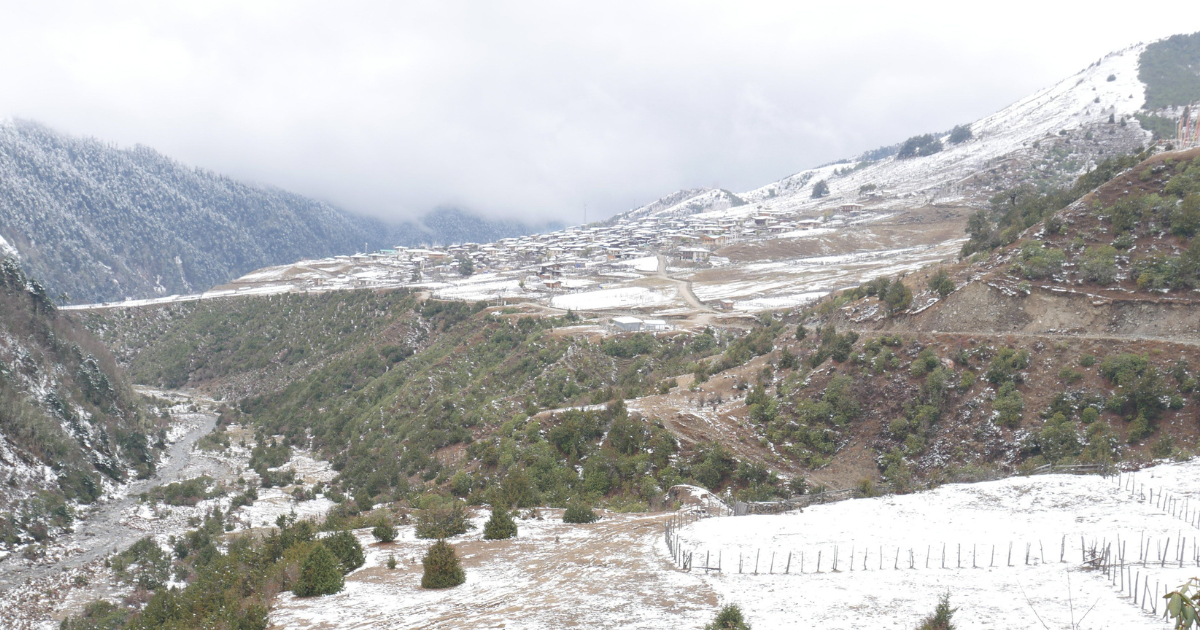

An 18-day highland portrait and landscape photography journey across Bhutan was not merely a trip; it is a slow immersion into a living tapestry of culture, remoteness, and raw natural beauty. Beginning in Paro and looping through some of the most isolated and visually arresting regions of the country, Merak, Sakten, Khoma, Bumthang’s Tang Valley, Laya, and Haa; this expedition unfolded as both a photographic pursuit and a deeply human experience.
The journey began in Paro, where the crisp mountain air and emerald valleys set the tone. From there, we boarded a domestic flight to Yonphula, a tiny airstrip perched among the eastern Himalayas. The landing itself was an introduction to the drama that would define the days ahead; sharp ridgelines, deep valleys, and villages that seemed to cling to the mountainside. From Yonphula, we drove toward Merak, entering a region where time feels suspended.
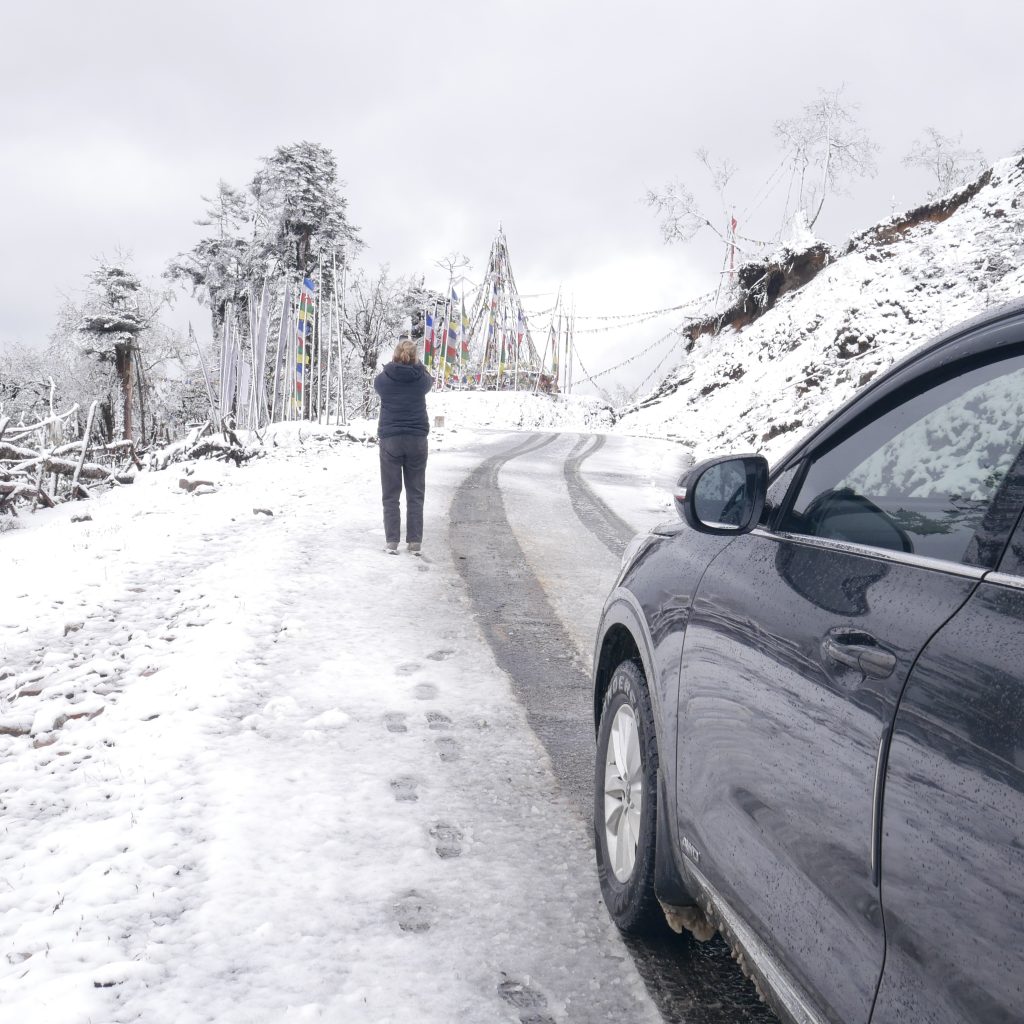
Merak greeted us with snowfall: soft, silent, and transformative. The landscape shifted into monochrome elegance, where white fields contrasted with dark wooden houses and fluttering prayer flags. For two days, we explored and photographed this remote highland village. Portrait sessions with the semi-nomadic Brokpa people revealed faces shaped by altitude and tradition. Their distinct yak-hair garments and unique headgear offered not just visual intrigue but stories etched in texture and expression. The snowfall added a poetic stillness, turning every frame into a study of light, contrast, and quiet resilience.
From Merak, we drove to Sakten, a place often described as mystical and rightly so. The route itself felt like a passage into another world. The road narrowed, the forests thickened, and a certain hush seemed to settle over the landscape. Sakten is known for its deep-rooted beliefs, including legends of yeti-like creatures said to roam the surrounding mountains. Whether myth or memory, this sense of mystery infused our time there.
“Photographically, Sakten was rich with mood. It rained the whole morning until late afternoon. Mist rolled through the valley in slow waves, revealing and concealing traditional houses and grazing yaks. The people, warm and welcoming, carried a quiet dignity. Capturing portraits here felt less like documentation and more like collaboration—moments shared rather than taken. The interplay of light and fog created ever-changing compositions, both challenging and rewarding.”
The journey to Khoma proved to be one of the most arduous stretches of the trip. What should have been a manageable drive extended into a grueling 12-hour journey due to road widening and a 43-kilometer detour along unpaved, rugged terrain. Dust, uneven tracks, and constant jolts tested both patience and endurance. Yet, as with many difficult journeys, the reward lay at the destination.
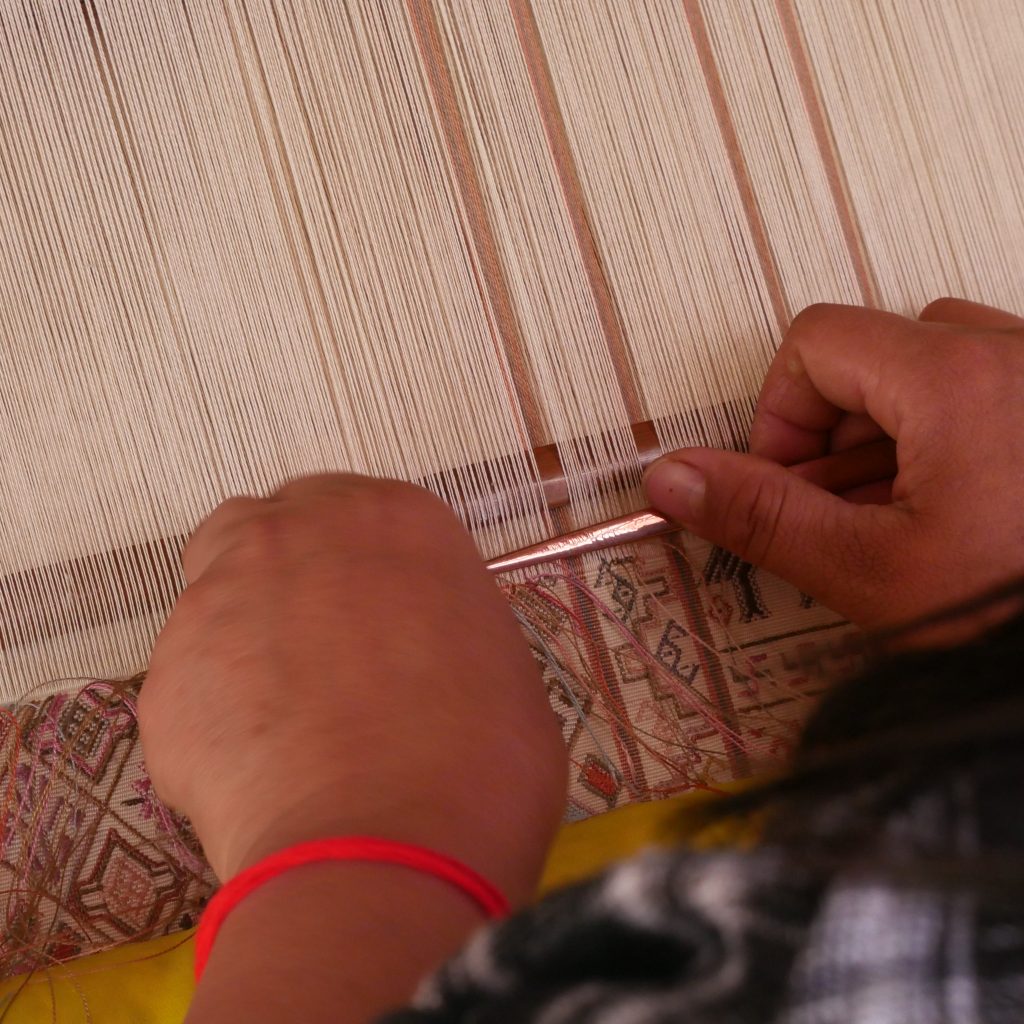
Khoma is renowned for its textiles, particularly the intricate Kushuthara weaving. Here, artistry is not a profession but a way of life. We spent time with local weavers, observing their meticulous process—threads of silk and cotton transformed into patterns that carry generations of knowledge. Photographing in Khoma was an exercise in detail and intimacy: hands at work, looms in motion, and expressions of concentration and pride. The village itself had a quiet magic, where creativity and tradition intertwined seamlessly.
From Khoma, we continued westward to Tang Valley in Bumthang, a region often considered the spiritual heart of Bhutan. The valley opened up into a gentler landscape, rolling fields, stone houses, and a sense of spacious calm. One of the highlights here was the visit to the Ogyen Choling Heritage Museum. Unlike conventional museums, this one is housed in a historic manor, offering an immersive glimpse into Bhutanese aristocratic life.
Each room told a story of rituals, daily life, governance, and spirituality. The preservation was remarkable, allowing us to photograph not just objects but atmospheres. Light filtering through wooden windows illuminated artifacts in a way that felt almost cinematic. It was a place where history was not distant but tangible.
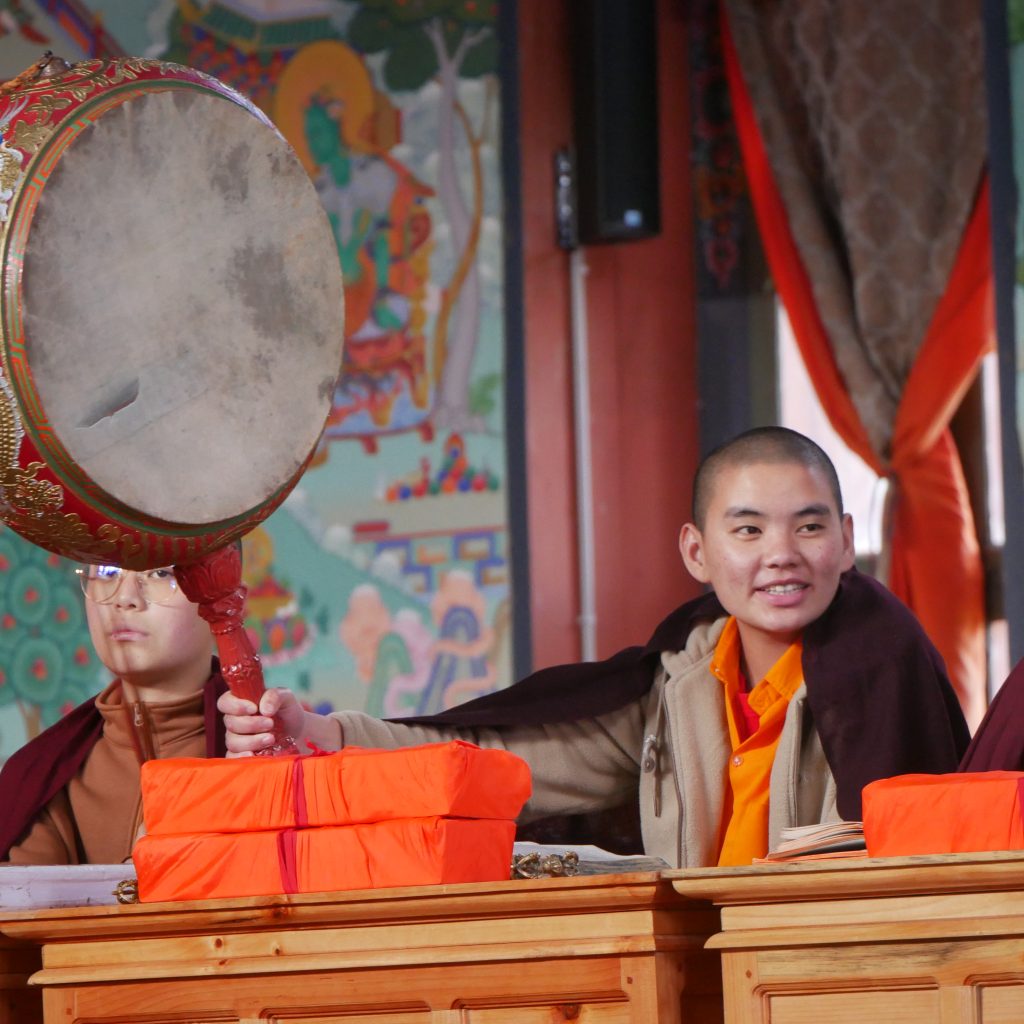
Equally moving was our visit to a local nunnery. Here, the rhythm of life was defined by devotion. We were invited to observe morning and evening prayer sessions, where chants resonated through the halls, creating a profound sense of stillness and focus. Photographing in this setting required sensitivity and respect. The nuns, absorbed in their practice, embodied a quiet strength. These moments; soft light, bowed heads, the cadence of prayer became some of the most powerful images of the journey.
From Bumthang, we drove to Punakha, descending gradually into warmer climates. The shift in landscape from alpine to subtropical was striking. Terraced fields replaced highland pastures, and rivers flowed wider and calmer. After overnight stay, we continued toward Gasa, the gateway to Laya.
The journey to Laya is not for the faint-hearted. Upon reaching Taktshi Makha, the road ended, and the real effort began. A hike of 1 hour and 48 minutes lay ahead, ascending through forested trails and open ridges. The climb was steady and demanding, but each turn revealed increasingly spectacular views. When we finally reached Laya, the sense of accomplishment was matched only by the beauty of the village itself located at 3800 meter (12,467.19 feet) above sea level.
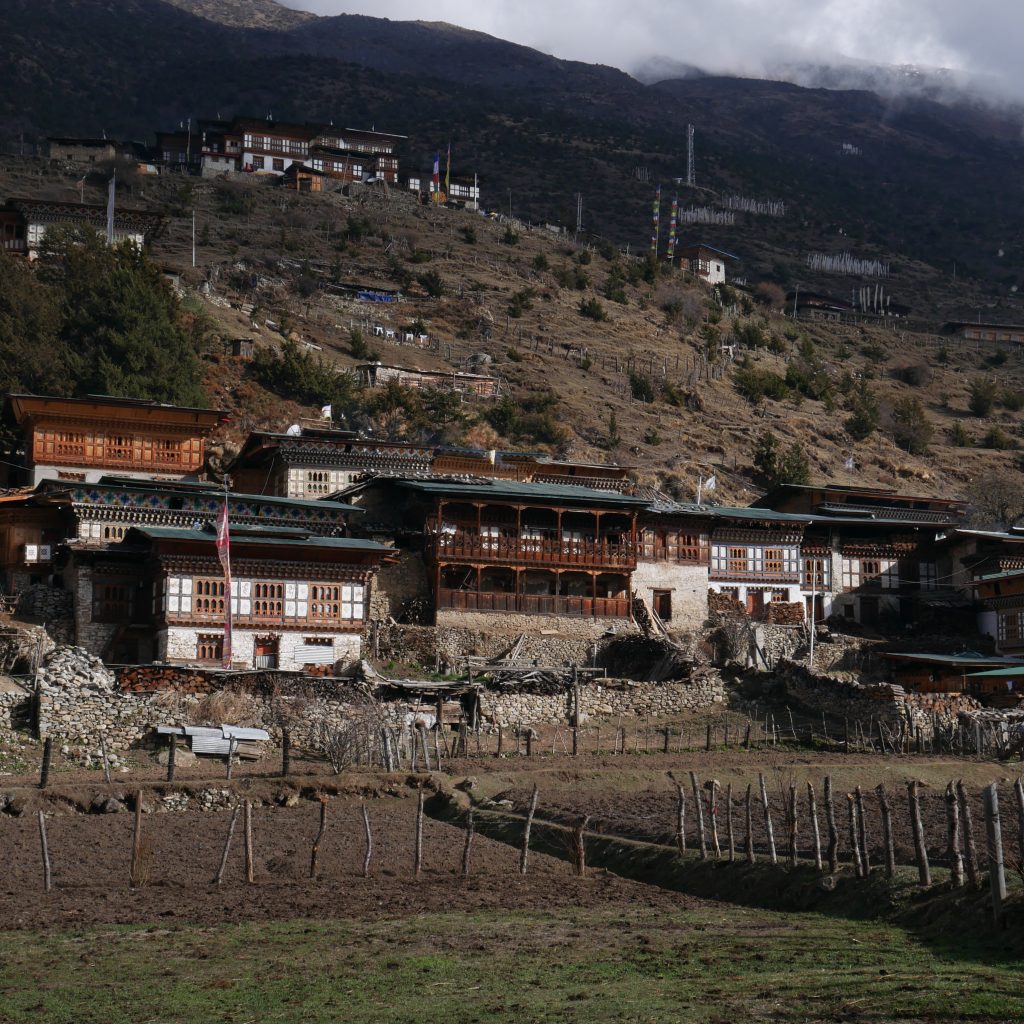
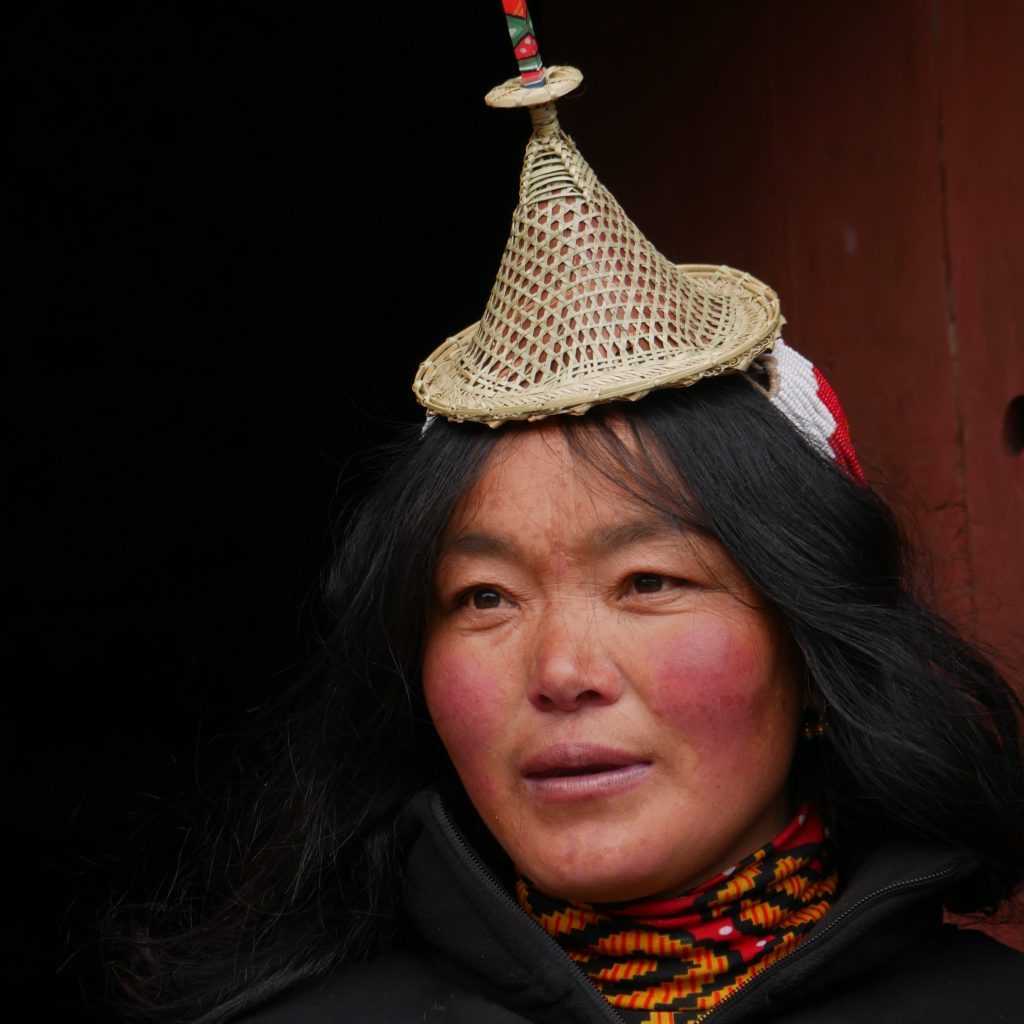
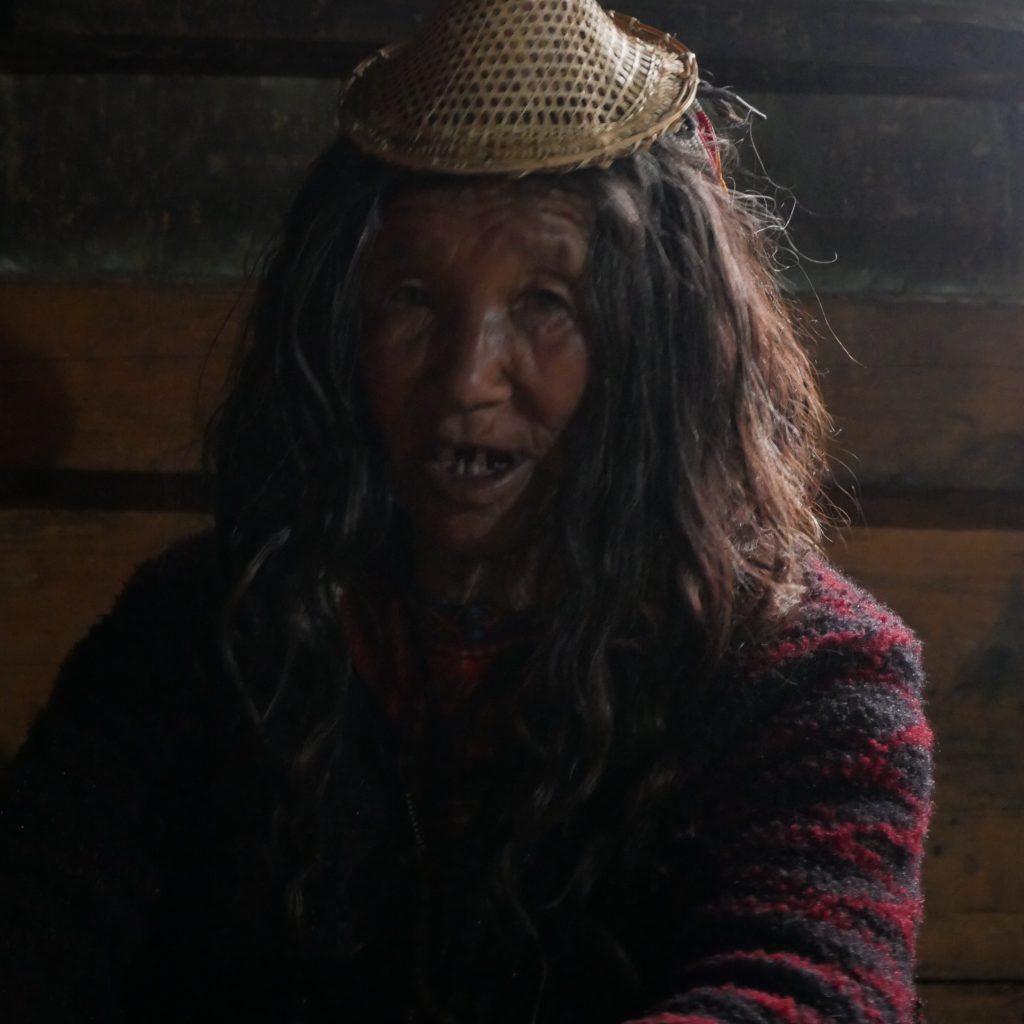
Laya sits high in the mountains, isolated yet vibrant. The Layap people, with their distinctive conical bamboo hats, offered a unique cultural perspective. The air was crisp, the sky vast, and the surroundings nothing short of breathtaking. Photographing here felt expansive, wide-angle landscapes capturing the grandeur of the Himalayas, and intimate portraits reflecting the individuality of the people. Laya was, in every sense, a highlight; raw, remote, and unforgettable.
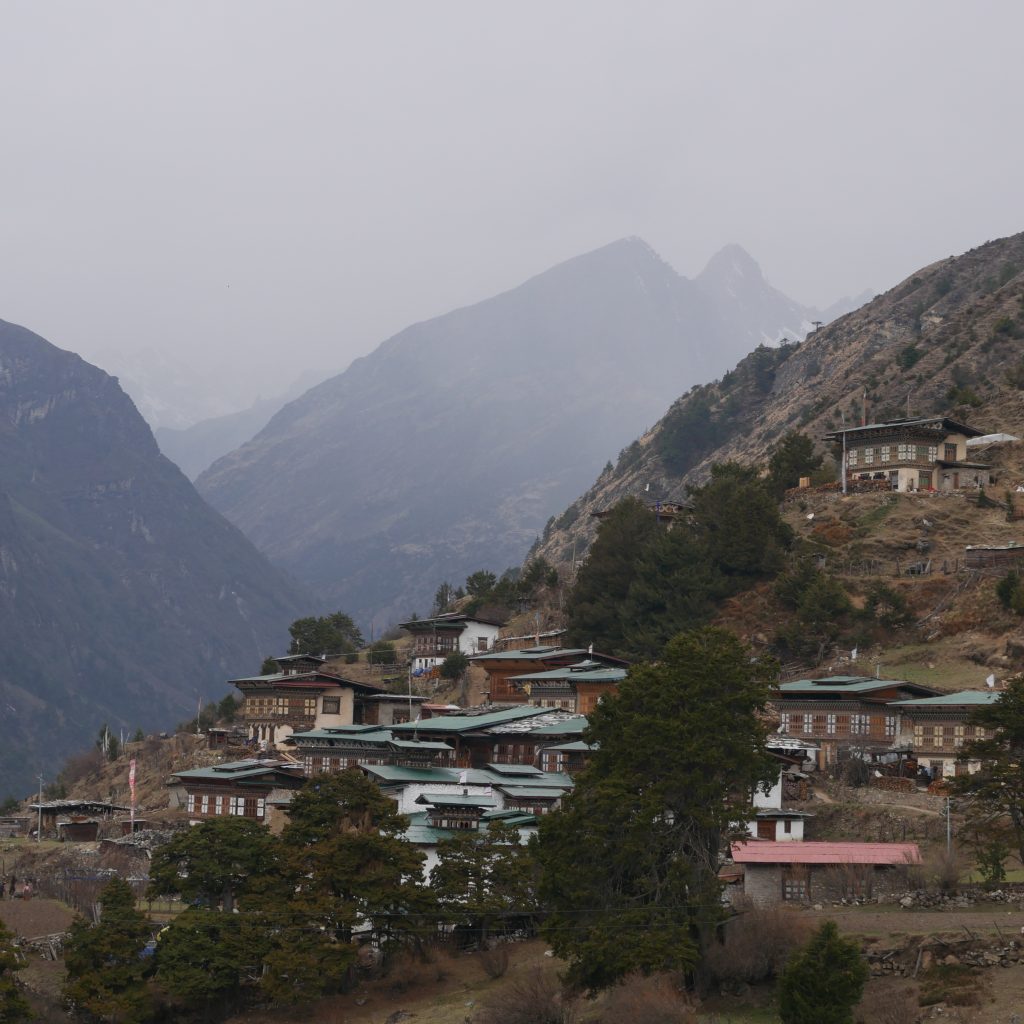
From Laya, we retraced our steps and began the journey toward Haa Valley, one of Bhutan’s least-visited regions. The drive itself was scenic, winding through forests and over high passes. Haa welcomed us with a different kind of beauty, subtle, serene, and deeply rooted in tradition.
Our visit coincided with the Haa Spring Festival, a vibrant celebration of local culture. The valley came alive with traditional dances, music, and displays of nomadic lifestyles. For a photographer, it was a dynamic environment, color, movement, and expression converging in a festive atmosphere. Yet, even amidst the celebration, there was an authenticity that set it apart. This was not a performance for outsiders but a genuine expression of community and heritage.
The final leg of the journey brought us back to Paro, where the iconic Tiger’s Nest Monastery awaited. Perched dramatically on a cliffside, it is perhaps Bhutan’s most recognizable landmark and for good reason. The hike up, though challenging, was filled with anticipation. As the monastery came into view, seemingly suspended in mid-air, it felt like a culmination of everything the journey had been about: effort, perspective, and reward.
Photographing Tiger’s Nest was both a technical and emotional experience. The scale, the setting, and the spiritual significance combined to create a subject that demanded more than just composition: it required presence. Standing there, looking out over the valley, it was impossible not to reflect on the journey as a whole.
Eighteen days across Bhutan’s highlands had offered more than just photographic opportunities. It had been a passage through landscapes that challenge and inspire, and through communities that preserve their identity with quiet strength. From the snow-covered stillness of Merak to the mystical atmosphere of Sakten, the artistry of Khoma, the spiritual depth of Tang Valley, the rugged beauty of Laya, and the celebratory spirit of Haa; each place contributed a distinct chapter.
In the end, the photographs captured were not just images but memories layered with experience. They held the cold of early mornings, the dust of long drives, the warmth of shared smiles, and the silence of mountain air. Bhutan, in its highland expanses, revealed itself not all at once but gradually through patience, movement, and connection.
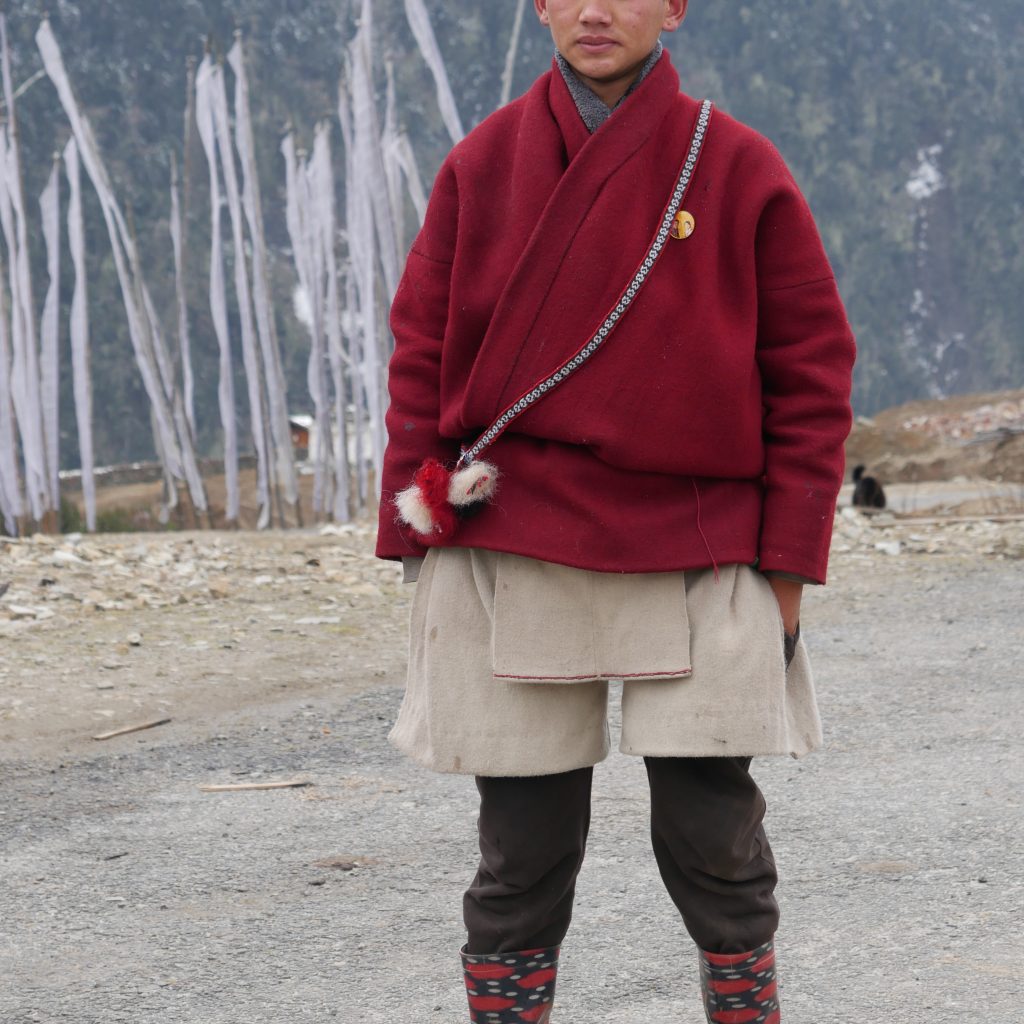
And perhaps that is what made this journey truly extraordinary: it was not just about seeing, but about understanding, one frame, one village, one moment at a time.
0 Comment