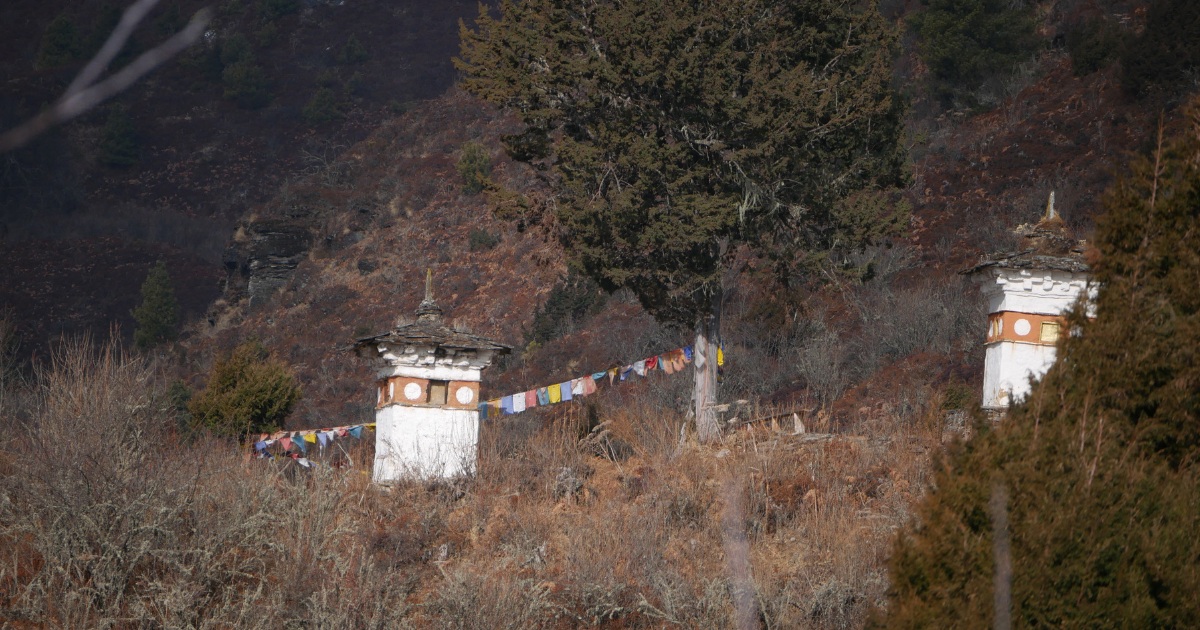

Nestled in the Eastern Himalayas, Bhutan is one of the world’s most pristine and environmentally protected countries. With more than 70% forest cover and strong conservation policies, Bhutan offers extraordinary vegetation diversity within a small geographical area.
For birdwatchers, this means access to multiple ecosystems in just a few days of travel. At Trogon Travels, we design expert birding journeys across Bhutan’s varied vegetation zones, helping both national and international guests experience the best habitats for rare and beautiful Himalayan birds.
Let’s explore the major vegetation types that make Bhutan a dream destination for nature lovers.
1. Tropical and Subtropical Vegetation (150m – 1,200m)
Located in southern Bhutan near regions like Gelephu and Samdrup Jongkhar, this zone features lush, warm, and humid vegetation.
Vegetation Characteristics:
- Dense evergreen forests
- Bamboo thickets
- Tall grasses and riverine forests
- Rich climbers and shrubs
This vegetation type supports incredible biodiversity and is home to many rare bird species.
Birding Highlights:
- Ward’s Trogon
- Rufous-necked Hornbill
- Great Hornbill
- Lesser Necklaced Laughingthrush
Spring and winter are especially productive seasons in these lowland habitats.
2. Warm Broadleaf Vegetation (1,200m – 2,000m)
Found in central Bhutan, especially around Zhemgang and Trongsa, this vegetation zone is dominated by evergreen oak and laurel species.
Key Features:
- Thick canopy cover
- Moss-covered tree trunks
- Rich understory growth
The layered vegetation creates ideal feeding and nesting habitats for many mid-elevation birds.
Birding Specialties:
- Golden-throated Barbet
- Sultan Tit
- Fire-tailed Myzornis
This zone is excellent for photography and mixed hunting flocks.
3. Cool Broadleaf Vegetation (2,000m – 3,000m)
This vegetation type is common in western and central valleys like Thimphu, Paro, and Punakha.
Vegetation Characteristics:
- Rhododendron forests
- Oak, maple, and chestnut trees
- Fern-rich forest floors
During spring, rhododendrons bloom beautifully, transforming the mountains into colorful landscapes.
Target Birds:
- Himalayan Monal
- Satyr Tragopan
- Blood Pheasant
- Yellow-rumped Honeyguide
This is one of the most rewarding vegetation zones for birdwatchers.
4. Coniferous Vegetation (2,500m – 3,500m)
Higher elevations are dominated by conifer forests of blue pine, fir, spruce, and hemlock. Birding hotspots like Chele La Pass offer spectacular views and excellent birding opportunities.
Vegetation Features:
- Tall blue pine forests
- Fir and spruce stands
- Open forest structure
Birding Highlights:
- Himalayan Cutia
- Spotted Nutcracker
- Hoary-throated Barwing
Autumn is a particularly good season in this zone due to clear skies and active bird movements.
5. Alpine Vegetation and Meadows (Above 3,500m)
In northern Bhutan near the borders of Tibet, trees become sparse and give way to alpine shrubs and meadows.
Vegetation Characteristics:
- Dwarf rhododendrons
- Alpine herbs and grasses
- Open rocky landscapes
These high-altitude ecosystems are fragile yet stunning.
Special High-Altitude Birds:
- Snow Partridge
- Himalayan Snowcock
- Grandala
This vegetation type attracts adventurous birders seeking rare Himalayan specialties.
Why Bhutan’s Vegetation Matters for Birdwatchers
Bhutan’s dramatic elevation change—from subtropical plains to alpine peaks—creates overlapping vegetation zones. This means:
- High bird diversity in short travel distances
- Access to endemic and rare Himalayan species
- Seasonal migration patterns within the country
- Incredible landscape photography opportunities
With proper planning, birders can experience multiple vegetation types within a single tour.
0 Comment